Rain Jacket vs. Rain Poncho for Gardening: Which Is Better?
The drizzle starts just as you're halfway through planting out the last of the kale. You grab whatever is hanging by the back door and get on with it. Twenty minutes later you are either clammy from the inside, or tangled in a sheet of plastic that has wrapped itself around the wheelbarrow. Rain jackets and rain ponchos both keep the weather off, but they fail in opposite ways.
The Basic Trade-Off: Coverage Versus Control
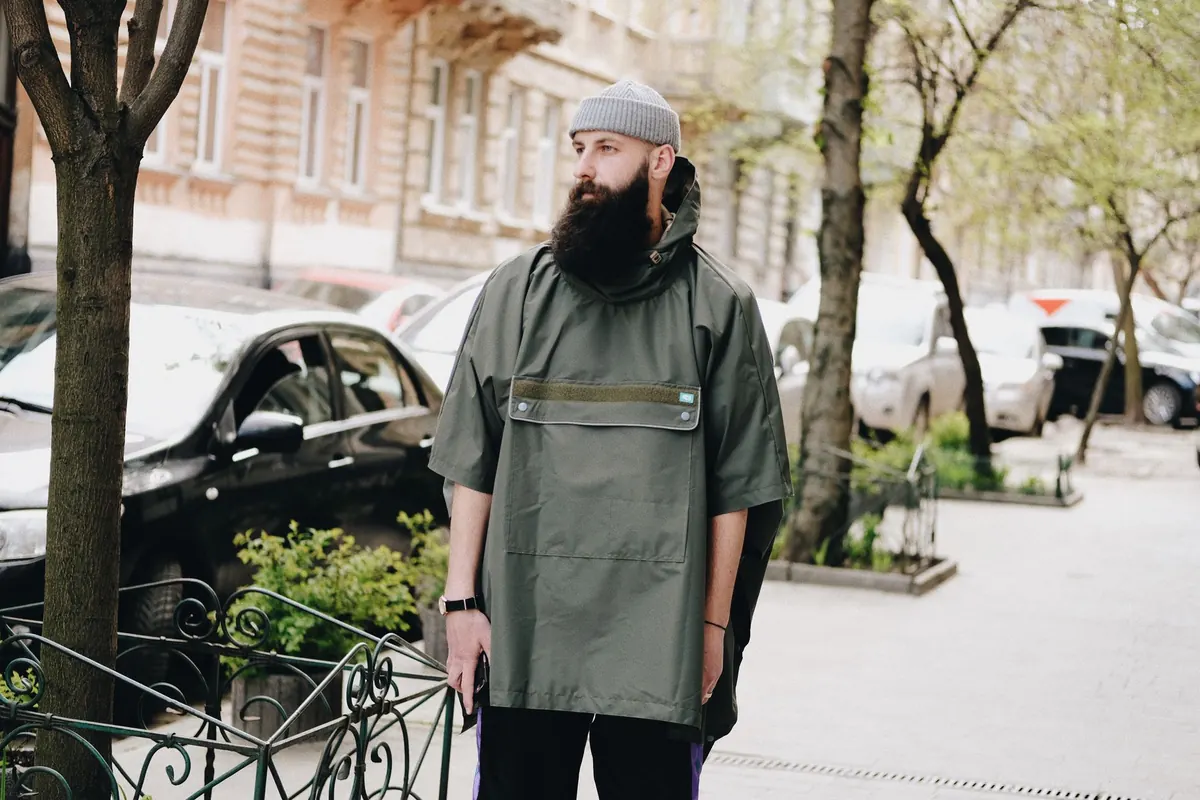
A poncho is generous. It drapes over your shoulders, covers your arms to the wrist, and hangs low enough to keep the tops of your legs dry while you stand and walk. It packs down small, it goes over whatever you already have on, and it costs less than almost any jacket worth wearing. What it does not do is move with you. Turn your head and the hood stays put. Reach up to tie in a climbing rose and the fabric slides off your forearm, leaving your sleeve exposed from elbow to cuff.
A rain jacket is cut to your shape. It stays where you put it, the sleeves stay over your wrists, and the hood follows your head. The price is coverage: most jackets stop at the hip, so your thighs, the seat of your trousers, and anything you kneel on are left to fend for themselves.
So there is no universal winner. What decides it is how much of the job happens below waist height, and how much of it happens with your arms above your head.
Mobility: What a Garden Actually Asks of You
Standing, reaching, and pruning
Fruit trees, hedges, trellises, staking tomatoes, tying in climbers, clearing gutters on the shed: this is upright work with a lot of overhead reaching. Jackets win comfortably here. Sleeves stay in place, cuffs seal against water running down your arms, and a hood with a rear cinch turns with your head instead of leaving you peering through a plastic tunnel.
Kneeling, weeding, and planting
Ponchos lose badly the moment you get low. The hem lands in wet soil, wicks water upward, and then gets pinned under your knee. Kneeling on a poncho is cold, slick, and faintly ridiculous. If you spend your sessions on a kneeler or a pad, a jacket with a longer drop hem, or a jacket paired with waterproof trousers, is far less annoying. Sawing and digging are the same story: the poncho swings forward, catches on handles, and ends up bunched around your neck.
Breathability: The Sweat Problem Nobody Budgets For
Most people stay drier in a poncho in light rain and wetter in it in heavy work. Loose fabric feels airy, but it also traps a warm pocket of humid air around your torso and thighs. Cheap PVC is completely waterproof and completely non-breathable, so condensation forms on the inside within minutes of digging or hauling compost.
Jackets vary enormously. A coated shell with pit zips and a mesh lining is manageable for moderate work. Two habits matter more than the fabric label:
- Wear a thin synthetic or merino base layer underneath. Cotton soaks, then chills you the moment you stop moving.
- Open the vents while you work, close them when you stop. Zips under the arms and a front zip you can crack open do more for comfort than any breathability rating.
Rule of thumb: if you are working hard enough to sweat, you need vents more than you need a heavier coat.
A Quick Side-by-Side
- Coverage: Poncho wins. Shoulders, arms, and thighs in one layer.
- Freedom of movement: Jacket wins, especially overhead and when kneeling.
- Wind: Jacket wins. Ponchos flap, billow, and behave like sails on an exposed plot.
- Breathability: Usually the jacket, provided it has vents. A poncho worn with arms tucked inside is a tent.
- Layering: Poncho wins. It slips over a padded coat without a fight.
- Packability and cost: Poncho wins. One lives in a shed drawer or a coat pocket for years.
- Kneeling and ground work: Jacket wins, or a jacket plus overtrousers.
Match the Gear to the Job
Pruning, staking, and trellising: take the jacket. Sleeves that stay put and a hood that turns with you are worth more than the extra fabric.
Planting, weeding, and potting: a jacket with a slightly longer back and waterproof trousers beats both options. If you only own a poncho, tuck the hem up under a belt or use a poncho with snap sides so it cannot reach the mud.
Quick checks, harvests, and slug patrols in drizzle: the poncho is perfect. Throw it on over your clothes, pick the courgettes, come back in.
Long wet days: jacket, hood cinched, base layer that wicks, and dry gloves in the shed. Cold hands end more gardening sessions than rain does.
Small Details That Decide Whether You Stay Dry
- Sealed or taped seams, and a storm flap over the main zip.
- A hood with a rear adjuster and a stiffened brim; floppy hoods blind you when you look down.
- Elastic or hook-and-loop cuffs. Water runs straight down a loose sleeve.
- A slightly dropped back hem on a jacket, and snap sides on a poncho.
- Pit zips. Even basic ones make a wet afternoon far more bearable.
- Care: rinse mud off with plain water, hang to dry, and never store either item crumpled in a bag. A rain shell that has been washed repeatedly with detergent loses its water repellency and can be refreshed with a proper treatment.
What I'd Keep by the Door
For most gardeners, the jacket earns its place first. Buy one that fits over a fleece, reaches below the hip, and has a hood you can tighten. Add waterproof trousers for kneeling days and you have covered the vast majority of wet-weather tasks.
Then buy a poncho anyway, because it costs little and solves a different problem: the sudden shower when you are already dressed, the two minutes of harvesting in a drizzle, and the moment a friend offers to help in the rain. Hang it on a hook by the back door, not folded in a cupboard. And keep a dry pair of gloves nearby, because the rain is rarely what sends you inside.
Photo: Вальдемар / Pexels