How to Garden in the Rain: Gear and Tips for Wet Weather
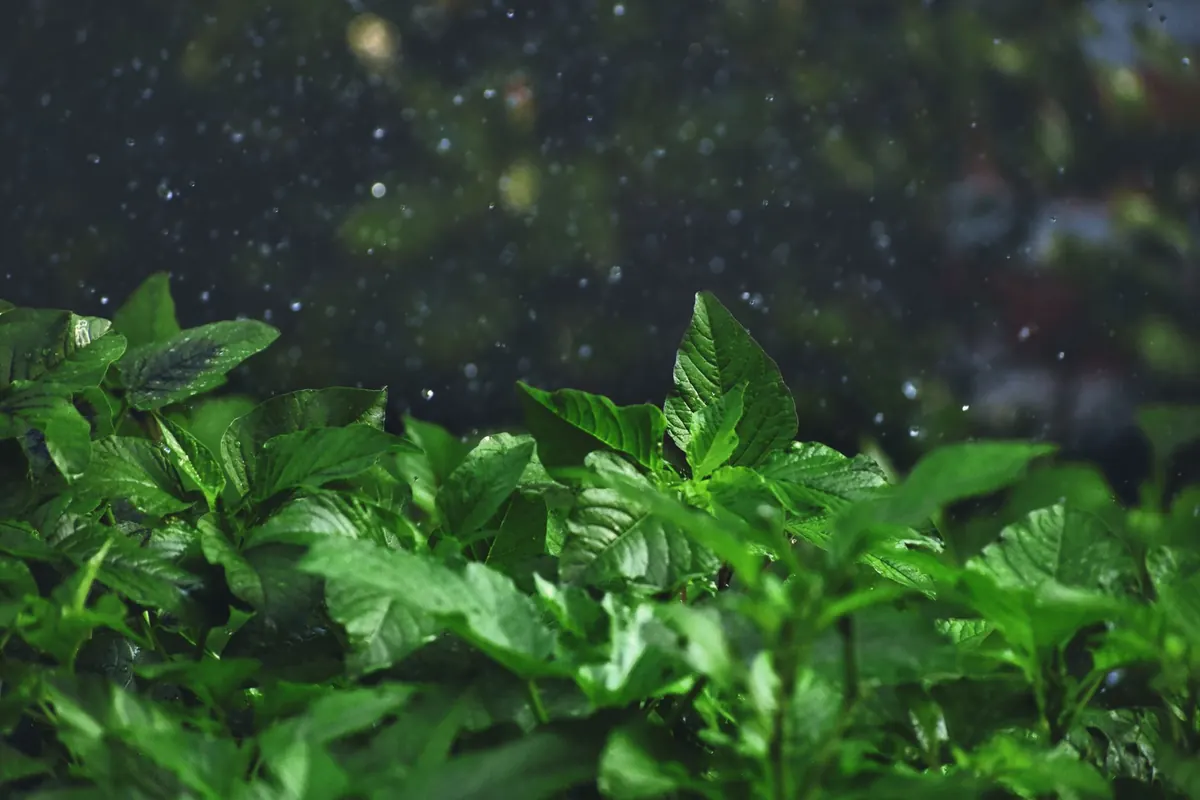
A rainy day is not a lost gardening day. Soil is soft, weeds slide out whole, and new plants settle into wet ground with far less shock than they do in the heat of summer. The trick is knowing what to put on your body, how to keep wet soil from becoming rot, and when to stay off the beds entirely.
None of it needs expensive gear or a heroic attitude. It needs a shell that keeps water out, boots with real grip, and a willingness to do the jobs that suit the weather.
What to Wear When the Sky Won't Quit
The common mistake is dressing for the temperature instead of for the water. A mild drizzle feels nothing like a mild dry afternoon once your shoulders are soaked. Start with a thin synthetic or merino base layer — cotton holds water against your skin and quietly chills you for the rest of the session. Add a fleece or wool midlayer if it's cool, then a proper waterproof shell over the top.
Two details separate a jacket that works from one that fails: taped seams and a hood you can actually cinch down. A shell that leaks at the shoulders soaks your base layer within twenty minutes. Rain trousers matter more than most people expect, because kneeling in wet grass or brushing past soaked shrubs goes through ordinary trousers in seconds.
Hands and feet deserve their own thought. Waterproof gloves keep your grip — wet hands fumble pruners and slip off handles. Tall rubber boots with a deep tread beat short wellies on mud, bark chips, and wet slopes. Wool socks stay warm even when damp.
- Waterproof, breathable jacket with taped seams and an adjustable hood
- Rain trousers, or a long waterproof apron for kneeling work
- Tall rubber boots with proper tread
- Waterproof gloves, plus a dry spare pair in a pocket
- A wide-brimmed hat or cap to keep rain off your glasses
- A trug that drains, rather than a bucket that quietly fills with water
- A towel and a plastic bag in the car for wet gear on the way home
Protecting Plants From Too Much Water
Rain is welcome until it isn't. Roots need air as much as moisture, and soil that stays saturated for days pushes the air out and invites rot. Most of the fix is preparation and restraint.
Containers
Check that every pot has open drainage holes, and that the hole isn't sealed by a saucer or a dense root ball. Empty saucers after a downpour and lift pots onto feet or bricks so they aren't sitting in a puddle. Unglazed terracotta breathes a little; plastic doesn't, so plastic pots need more careful drainage.
Beds and borders
Mulch earns its keep in wet weather. A layer of compost or bark chips cushions the impact of heavy drops so soil doesn't splash up onto leaves — that splash is how a lot of soil-borne disease reaches your plants. Keep mulch slightly clear of stems so they aren't pressed against something wet.
The most useful rule for saturated ground is simple: stay off it.
If the soil clumps on your boots, it's too wet to work.
Walking on soaked soil compresses it, squeezing out the pore spaces roots depend on. If you must cross a bed, lay a plank or a couple of boards and step on those. Seedlings and young transplants suffer most in heavy rain, so a cloche, a cut-down plastic bottle, or a simple frame covered in polythene will take the battering off them while letting air in at the ends.
Jobs That Are Actually Better in the Rain
Some tasks are genuinely easier with water falling. Once the gear is on, these are worth doing:
- Transplanting and planting. Damp soil holds a root ball together and settles around roots without air pockets. You'll barely need to water in afterwards.
- Weeding. Soft ground releases roots whole, taproots included, so fewer grow back.
- Moving containers and filling beds. Heavy work is far more pleasant in cool, damp air than in strong sun.
- Spreading mulch and compost. It's already damp, so it won't blow around or dry into a crust.
- Slug and snail patrol. They come out in force during and after rain, and an evening round with a torch and a bucket catches far more than a dry-day search.
What to Skip Until It Dries Out
A few jobs go badly in the wet, and starting them creates more work later.
- Pruning and cutting back. Fresh wet wounds are easier for fungal spores to colonise, and you'll carry spores from plant to plant on damp hands and blades.
- Spraying anything. It washes off before it does any good.
- Mowing. Wet grass clogs the deck and tears rather than cuts, and a heavy mower on soft ground leaves ruts that last for months.
- Digging or tilling. You'll turn workable soil into clods that dry hard as brick.
Slugs, Snails, and Fungus
Wet, mild weather is slug weather. Before reaching for pellets — some are harmful to pets, birds, and hedgehogs — reduce the places they hide. Clear damp debris, loose boards, and dense weeds. Encourage frogs, ground beetles, and hedgehogs with a small pond or a log pile. Then go out after dark with a torch and a bucket; handpicking for a few evenings in a row noticeably cuts the population.
Fungal problems follow the same logic. Spores need leaf surfaces to stay wet, so anything that shortens that wet time helps. Space plants so air moves between them, water the soil rather than the foliage, and remove affected leaves promptly instead of leaving them on the ground. If you've been cutting anything that looks diseased, wipe your blades with rubbing alcohol or a diluted bleach solution before moving to the next plant.
Tools, Boots, and Yourself
Rain ruins tools faster than hard work does. Steel left wet rusts overnight, so wipe down pruners, spades, and hoes, dry them, and give the metal a light film of oil before putting them away. Wooden handles don't enjoy a soaking either — a rub with linseed oil now and then keeps them from drying out and splitting.
Hang your jacket and trousers to dry instead of bundling them into a bag, where they'll stay damp and start to smell. Stuff wet boots with newspaper to pull the moisture out. And when you come in, change out of wet clothes rather than sitting in them for the afternoon; a warm drink and dry socks do more for your mood than any gardening tip on this page.