Creating a Cozy Patio Retreat: Lighting, Furniture, and Plants
A patio can be the best room in the house, or a place where bins and a folding chair quietly give up. The difference usually comes down to three things working together: light, seating, and plants. Get those right and a plain slab behind the kitchen starts pulling you outside on evenings you would otherwise spend indoors. You can build it in stages, and you do not need a designer or a big budget to make it feel intentional.
Start With How You Will Actually Use It
Before you buy anything, spend a week noticing the space. Step outside at the times you would normally sit there — early morning with coffee, late afternoon with a book, evening with friends — and pay attention to what is happening. Where does the sun land at six o'clock? Which corner catches the wind? Which side feels exposed to the neighbours?
Then match the layout to the habit. If you eat outside often, keep the table within a few steps of the kitchen door so carrying plates is not a chore. If reading is the point, put your best chair where the afternoon shade falls and add a small table for a mug. A patio set up for two people talking quietly looks completely different from one built around a table for eight, and both are fine — as long as you pick one on purpose.
Lighting Does More Than Let You See
Most patios have one bright wall fixture, which is why most patios feel like car parks after dark. The fix is layering: several soft pools of light at different heights instead of one harsh source.
Build Three Layers
- Overhead: string lights across a pergola or between two posts, or a pendant on a hook. This gives the space a ceiling.
- Seating height: a table lamp, lanterns, or small lamps on a side table. This is the layer that makes people linger.
- Ground level: a few small lights along a path, tucked into a planter, or clipped to a step. These guide feet and add depth.
Keep It Warm and Glare-Free
Choose warm-white bulbs — around 2700K — the colour of a candle flame rather than an office corridor. Cool white light flattens plants and skin tones and makes everything look slightly clinical. Just as important, hide the source. Put bulbs where you cannot see them directly from your chair: under a shelf, inside a frosted lantern, behind a planter rim, or woven into the branches of a small tree. If you want light on a table without squinting, a shade or frosted bulb does the work.
Solar string lights are convenient in summer but dim noticeably in winter, so a plug-in or rechargeable option keeps things dependable year-round. A simple timer or smart plug means the patio is already glowing when you walk outside. If you use candles, keep them in glass holders on a stable surface, well away from fabric, dry grasses, and anything that could catch.
Furniture You Want to Sit In
Comfort beats style, but the two are not enemies. Leave at least two feet (roughly 60 cm) of walking space between a table edge and whatever sits behind the chairs. Anything tighter and people will shuffle sideways to get past, which nobody enjoys twice.
Choose Materials for Your Climate
Teak, acacia, and eucalyptus weather well and grey gracefully if you like that look; powder-coated aluminium stays light and needs almost nothing; resin wicker is forgiving and easy to move. Whatever you pick, buy cushions with removable, washable covers and keep a waterproof box nearby for the nights rain arrives unannounced.
Add One Piece That Is Not a Chair
A bench along a wall, a swing seat, a hammock chair, or simply a generous footstool. Something that says "stay a while" rather than "sit up straight". Even a small patio can hold one lounging spot and two upright chairs.
Plants Give the Patio Its Walls and Ceiling
Greenery is what turns a paved area into a room. It screens, softens hard edges, blocks wind, and adds scent you cannot buy in a bottle.
Screen and Enclose
Tall planters with clumping bamboo, ornamental grasses, or a small tree create a living wall without planning permission. A trellis with jasmine or a climbing rose does the same job vertically. If you choose bamboo, stick to clumping varieties or keep running types in pots — otherwise you will spend summers pulling shoots out of the paving.
Match Plants to the Light You Have
Be honest about exposure. Most flowering plants want six or more hours of direct sun; shade-lovers like ferns, hostas, and heuchera will sulk and scorch in full afternoon heat. Put herbs near the door so you actually cut them, and use scented geranium, lavender, or mint where you brush past. Grasses are worth including for movement alone — a breeze through them makes a still evening feel alive.
The Small Details That Finish It
An outdoor rug or mat under the seating zone defines the room instantly. A tray keeps drinks from wobbling on uneven stone. A basket with two blankets extends your season by weeks in spring and autumn. Group pots in odd numbers and vary the heights, and repeat one colour — cushions, a pot, a lantern — so the space reads as considered rather than accumulated.
A Weekend Plan to Pull It Together
- Clear and clean the patio, including the corners you have stopped seeing.
- Set the main seating or dining piece where you actually want to sit, then walk the routes around it.
- Hang the overhead lights and plug in one lamp at seating height.
- Place two large planters to screen the weakest view or the windiest edge.
- Add cushions, a tray, and a rug to anchor the seating area.
- Test everything after dark, then adjust anything that glares or blocks a walkway.
Keeping It Working Through the Seasons
A retreat stays a retreat only if it survives the weather. Store cushions and fabrics in a dry box, cover or stack furniture that is not built for winter, and tip water out of saucers so roots do not rot. Terracotta cracks in hard frost, so move pots under cover or wrap them. Come spring, scrub the paving, refresh the mulch, check your light strings for cracked bulbs, and cut back anything that outgrew its corner. An hour of maintenance twice a year is usually all it takes to keep the space ready for the first warm evening — and that first evening is the whole point.
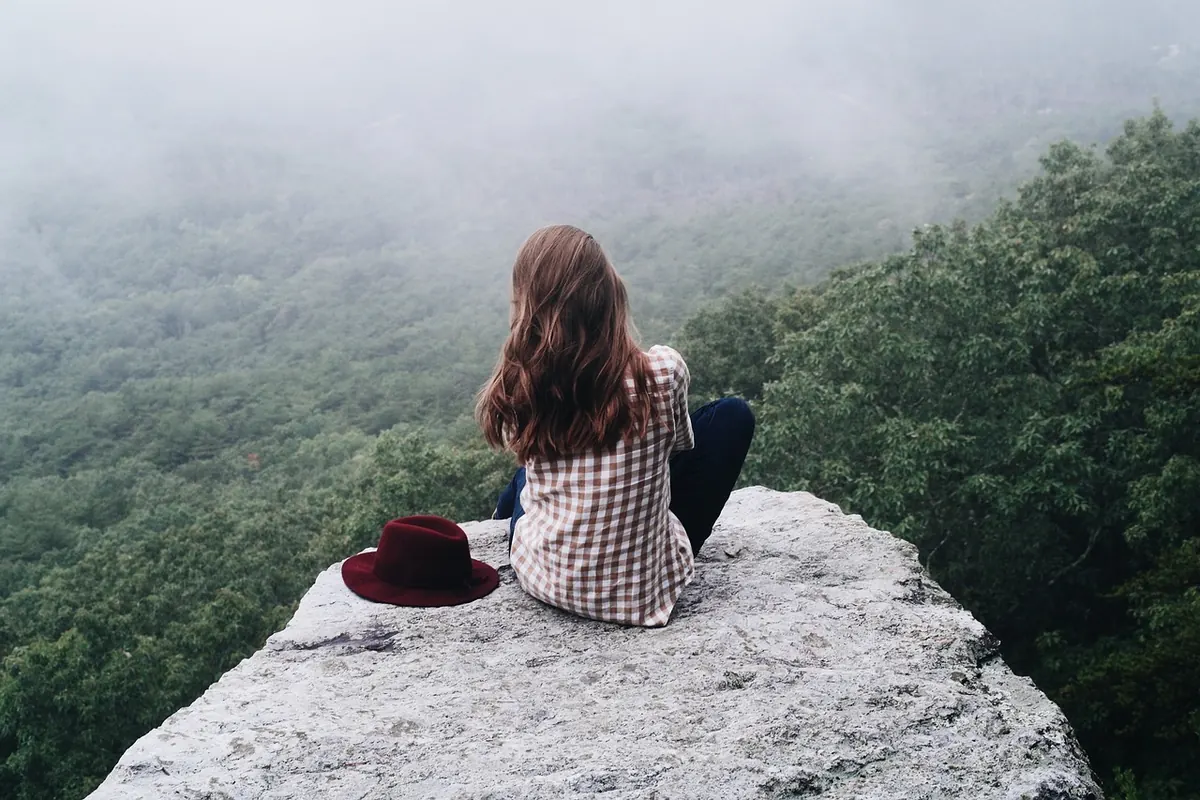
Photo: thatsphotography / Pixabay